
Crack Filling vs Full Asphalt Replacement: What’s Right for Your Lot?
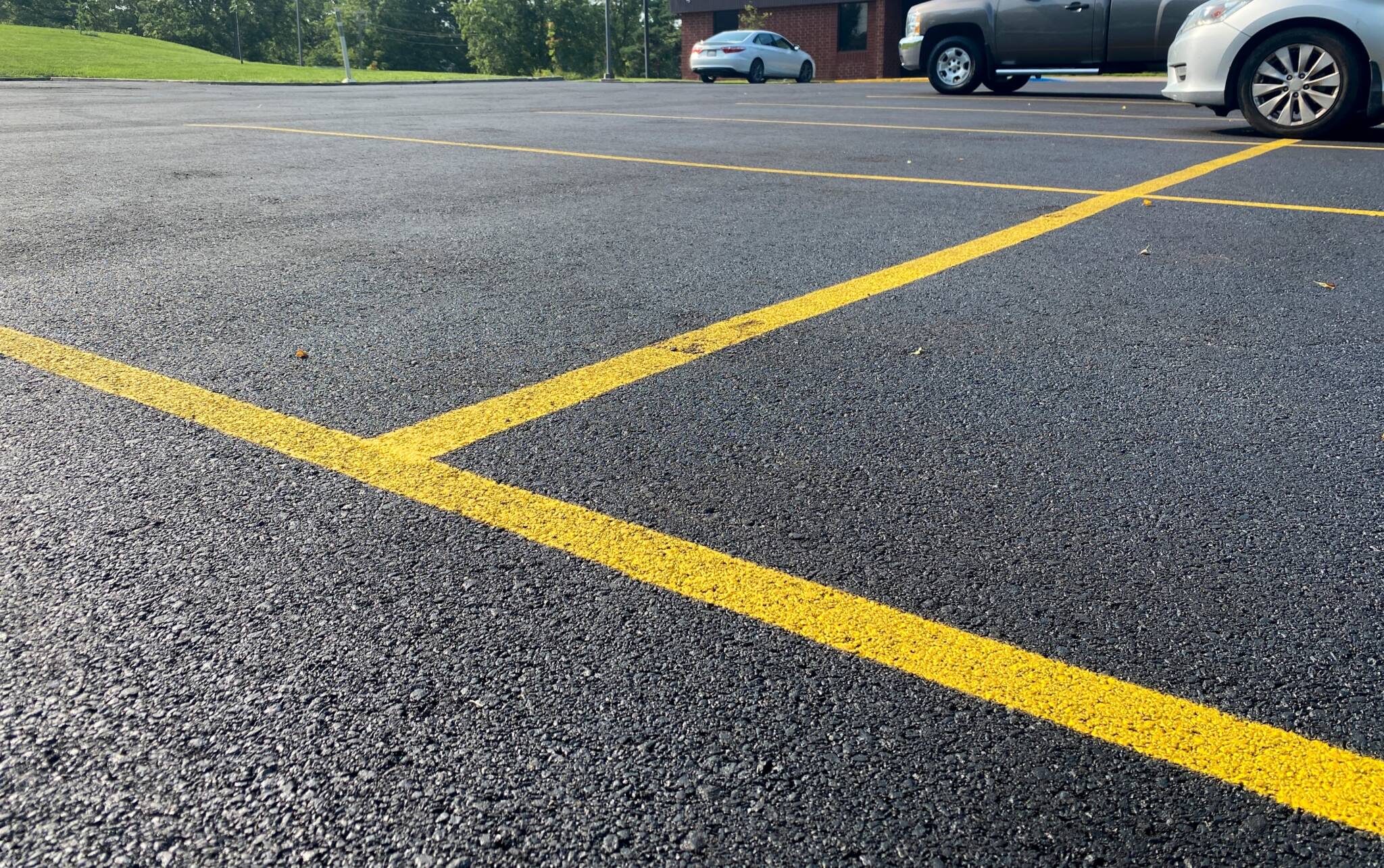
The worst thing for a business is a cracked, hole-filled asphalt driveway or parking lot. They appear unappealing, discourage customers from entering, and make movement difficult. Keeping these surfaces in good shape is important, but Central Minnesota’s weather doesn’t always make that easy. If you’re ready to make a change, figure out how to choose between crack filling and full asphalt replacement to do what’s right for your lot today.
- Crack filling and asphalt replacement can both maintain your lot.
- Extensive damage often requires replacement, while minor problems can be repaired
Crack Filling and Asphalt Replacement
Minor cracking within the first two years is normal in Minnesota for a brand new driveway. Crack filling is a key aspect of asphalt maintenance, addressing small surface flaws before they turn into serious problems. During this process, your contractor will use a specialized sealant to fill existing cracks, which helps prevent water from seeping in and causing further damage. Sealing these cracks helps extend the life of the asphalt and improves its appearance, making filling the cracks in asphalt a cost-effective option for maintaining driveways and parking lots.
On the other hand, full asphalt replacement involves removing the old asphalt and laying down a new layer. This is typically necessary when the damage is widespread or the asphalt has reached the end of its service life. Replacement addresses both surface and underlying structural issues, ensuring a stable, long-lasting surface.
When to Choose Crack Filling
Sealing cracks in your asphalt is typically sufficient when the damage is minimal or cosmetic. It prevents cracks from expanding through freezing and thawing, wearing down your surfaces faster, and worsening the problem. A few or even many small cracks can often be repaired without much issue, saving you from the more costly task of replacing your entire driveway or parking lot. It’s also usually quicker, restoring your property to working order sooner.
When to Opt for Full Asphalt Replacement
However, if damage is extensive or your asphalt is older than 15 years, you may need full asphalt replacement. Repairing old asphalt offers diminishing rewards and becomes less cost-effective over time, and repairs may not be sufficient to address extensive damage. A full replacement is also the way to go if there are underlying structural issues with the land beneath your driveway; ripping up the asphalt gives you the chance to address them.
Cost and Longevity: Crack Filling vs Asphalt Replacement
The cost of asphalt replacement is understandably higher than filling cracks. The scope of the work requires additional material, raising the total cost of completion. However, full replacement lasts longer than repairs, giving your parking area a fresh start.
Crack filling is an effective way to maintain your asphalt, though, and if the damage is minimal can reduce time and cost. New asphalt requires new sealant and a curing period that prevents parking for an extended time. Filled cracks aren’t typically that delicate and can be maintained with the regular maintenance tasks you’ve done up until then.
Expert Evaluation and Repair Services by Hanson Paving
Hanson Paving has your back with all things asphalt. Once you make your call, we’ll come out to inspect your asphalt and provide an estimate for the work needed. With over 30 years of experience in the asphalt industry, we are ready and equipped to serve your business or family.
Repair Your Lot Like a Pro Today
If you need help with your driveway or parking lot, Hanson Paving is here to help. Contact us today for a free estimate.
Image credit: // Shutterstock // ecbphotos